Email this article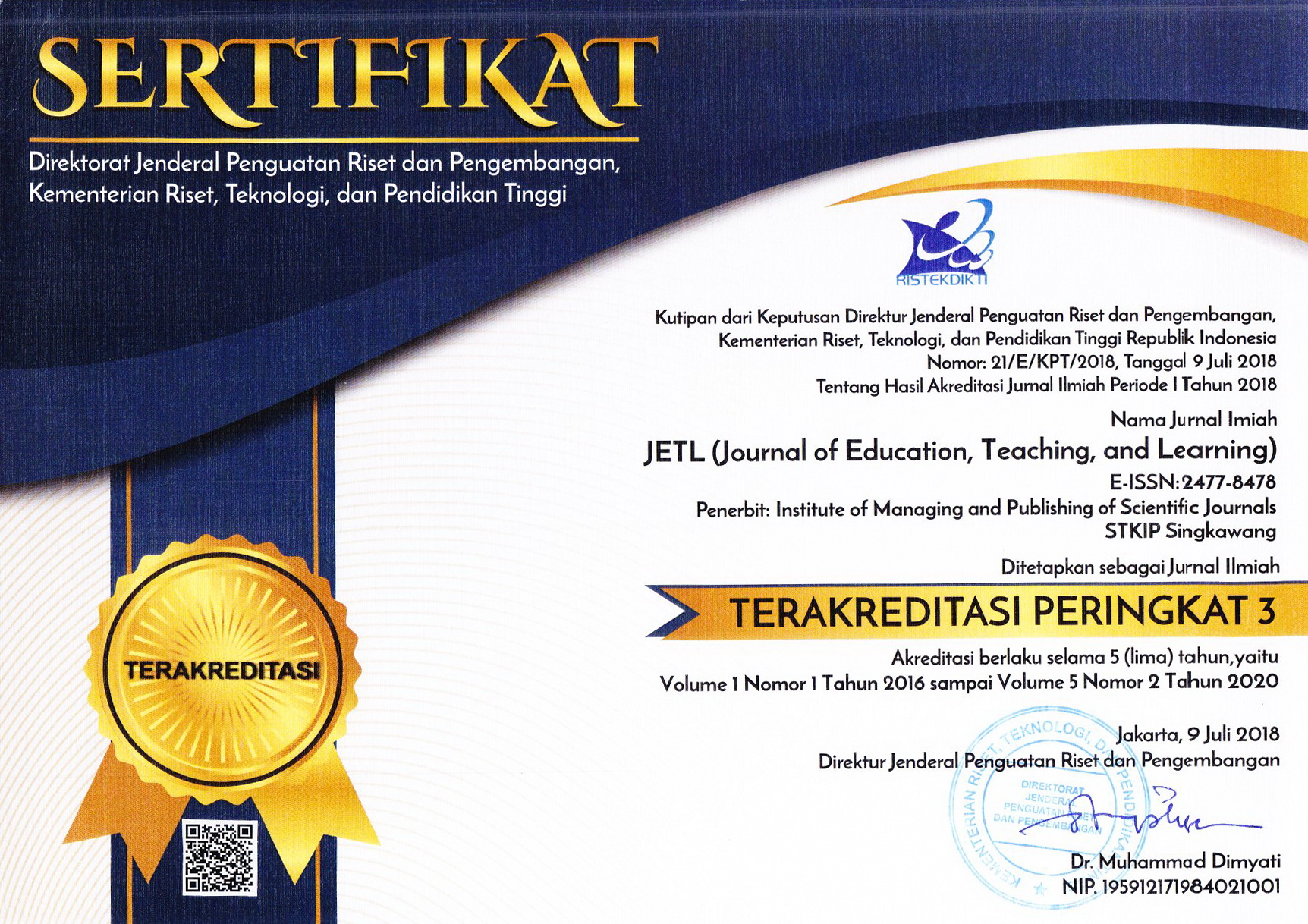


The challenges of implementing inclusive education programs in outermost, frontline, and Underdeveloped areas
Abstract
Keywords
Full Text:
PDFReferences
Ahsan, M. T. (2012). Exploring Pre-Service Teachers ’ Perceived Teaching-Efficacy, Attitudes and Concerns About Inclusive Education in Bangladesh. International Journal of Whole Schooling, 8(2), 1–20.
Anjarsari, A. D., Efendy, M., & Sulthoni. (2018). Penyelenggaraan Pendidikan Inklusi Pada Jenjang SD, SMP, dan SMA Di Kabupaten Sidoarjo. JPI (Jurnal Pendidikan Inklusi), 1(2), 91–104. https://doi.org/10.26740/inklusi.v1n2.p91-104
Arriani, F., Agustiawati, A., Rizki, A., Widiyanti, R., Wibowo, S., Herawati, F., & Tulalessy, C. (2021). Panduan pelaksanaan pendidikan inklusif.
Asamoah, E., Tam, C. H. lin, & Cudjoe, E. (2023). A systematic review of the roles of social workers in inclusive education for children with disabilities. International Social Work, 66(1), 36–51. https://doi.org/10.1177/0020872820971707
Busmah, N. A., & Sugiarto. (2020). Determinan Indeks Pembangunan Pendidikan pada Daerah Tertinggal di Indonesia Tahun 2020. Seminar Nasional Official Statistics, 2020, 395–404. https://doi.org/10.34123/semnasoffstat.v2022i1.1477
Darma, I. P., & Rusyidi, B. (2015). Pelaksanaan Sekolah Inklusi di Indonesia. Prosiding Penelitian Dan Pengabdian Kepada Masyarakat, 2(2), 223–227. https://doi.org/10.24198/jppm.v2i2.13530
Firdaus, E. (2010). Pendidikan Inklusif dan Implementasi di Indonesia. Seminar Nasional Pendidikan, 2.
Handayani, T., & Rahadian, A. S. (2013). Peraturan Perundangan dan Implementasi Pendidikan Inklusif. Masyarakat Indonesia, 39(1), 27–48. https://doi.org/10.14203/jmi.v39i1.307
Maula, I., Sari, A. L., Sarimin, D. S., & Rondonuwu, R. H. S. (2023). Pendidikan untuk Pemerataan Pembangunan: Memperjuangkan Hak Semua Anak. Journal on Education, 05(04), 13153–13165.
Minsih, Taufik, M., & Tadzkiroh, U. (2021). Urgensi Pendidikan Inklusif Dalam Membangun Efikasi Diri Guru Sekolah Dasar. Jurnal Ilmiah Pendidikan Citra Bakti, 8(2), 192–204. https://doi.org/10.38048/jipcb.v8i2.352
Moriña, A. (2017). Inclusive education in higher education: challenges and opportunities. European Journal of Special Needs Education, 32(1), 3–17. https://doi.org/10.1080/08856257.2016.1254964
Muhibbin, M. A. (2021). Tantangan Dan Strategi Pendidikan Inklusi di Perguruan Tinggi di Indonesia: Literature Review. JPI (Jurnal Pendidikan Inklusi), 4(2), 92–102. https://doi.org/10.26740/inklusi.v4n2.p92-102
Ni’mah, N. U., Istirohmah, A. N., Hamidaturrohmah, & Widiyono, A. (2022). Problematika Penyelenggara Pendidikan Inklusi di Sekolah Dasar. JOTE (Journal on Teacher Education), 3(3), 345–353.
Praptiningrum, N. (2010). Fenomena penyelenggaraan pendidikan inklusif bagi anak berkebutuhan khusus. JPK (Jurnal Pendidikan Khusus), 7(2).
Rezieka, D. G., Putro, Z. K., & Fitri, M. (2021). Faktor Penyebab Anak Berkebutuhan Khusus Dan Klasifikasi ABK. Bunayya: Jurnal Pendidikan Anak, 7(2), 40. http://dx.doi.org/10.22373/bunayya.v7i2.10424
Rudiyati, S. (2011). Potret Sekolah Inklusif di Indonesia. Makalah Seminar Umum AKESWARI, 1–25.
Saputra, A. (2016). Kebijakan Pemerintah Terhadap Pendidikan Inklusif. Golden Age: Jurnal Ilmiah Tumbuh Kembang Anak Usia Dini, 1(3), 1–15. https://doi.org/10.14421/jga.2016.13-01
Simanjuntak, Y. N. (2008). Pendidikan Untuk Semua: Hak Anak Berkebutuhan Khusus dalam Pendidikan Inklusi.
Suharsiwi. (2017). Pendidikan Anak Berkebutuhan Khusus. CV Prima Print.
Suprihatiningrum, J. (2021). Pengalaman Sekolah Penyelenggara Pendidikan Inklusif dalam Menyediakan Pembelajaran Sains. Journal of Disability Studies: INKLUSI, 8(2), 123–136. https://doi.org/10.14421/ijds.080203
Syafii, A. (2018). Perluasan dan Pemerataan Akses Kependidikan Daerah 3T (Terdepan, Terluar, Tertinggal). Dirāsāt: Jurnal Manajemen Dan Pendidikan Islam, 53(9), 1689–1699. https://doi.org/10.12928/psikopedagogia.v1i2.4603.154
Vorapanya, S., & Dunlap, D. (2014). Inclusive education in Thailand: Practices and challenges. International Journal of Inclusive Education, 18(10), 1014–1028. https://doi.org/10.1080/13603116.2012.693400
Winarsih, S., Hendra, J., Idris, F. H., & Adnan, E. (2013). Panduan penanganan anak berkebutuhan khusus bagi pendamping (orang tua, keluarga, dan masyarakat). Kementerian Pemberdayaan Perempuan Dan Perlindungan Anak Republik Indonesia, 1-17.
DOI: http://dx.doi.org/10.26737/jetl.v10i1.6779
Refbacks
- There are currently no refbacks.


This work is licensed under a Creative Commons Attribution-NonCommercial 4.0 International License.
Published by:
Institute of Managing and Publishing of Scientific Journals STKIP Singkawang
Sekolah Tinggi Keguruan dan Ilmu Pendidikan (STKIP) Singkawang
Address : STKIP Singkawang, Jalan STKIP - Kelurahan Naram Singkawang, Kalimantan Barat, INDONESIA, 79251
No. Telp. : +62562 420 0344
No. Fax. : +62562 420 0584
JETL (Journal of Education, Teaching, and Learning)
e-ISSN : 2477-8478
p-ISSN : 2477-5924

Editor in Chief Contact: [email protected] / Wa: +6285245101122
Publisher Contact: [email protected] / Wa: +6281217024040/+6285750845033
Management Tools



JETL Indexed by: